American Pets Alive!
American Pets Alive!
Nationwide educational program saving shelter animals from euthanasia and inspiring a culture in animal shelters where every life is valued.
Alliance for Contraception in Cats & Dogs

Alliance for Contraception in Cats & Dogs
A catalyst for developing and implementing non-surgical sterilants (imagine a “spay shot”) and contraceptives for dogs and cats, to transform access to affordable and humane population management beyond what surgery can achieve.
Fourofour page
Oops!...
The page you're looking for have been removed or is temporarily unavailable.

About the Project
Measuring the scale of pet homelessness is a complex task.
To address this challenge, Mars partnered with leading animal welfare experts and organizations to launch the State of Pet Homelessness Project, a global data initiative.
The problem
The project solution
No consistent measure of the prevalence of dog and cat homelessness
A consistent formula estimates the proportion of homeless dogs and cats
No identification of the key issues that need to be solved
Surveys and interviews highlight the leading issues impacting cat and dog homelessness in each country
No ability to turn insights into actions
Survey responses and interviews reveal where actions and interventions could help reduce the chance of pets becoming homeless


Why we're doing it
Tackling pet homelessness helps both animals and people – bringing the benefits of the human-animal bond to more people and ensuring every pet gets the sustained care and nutrition they need to thrive.
Pets that don't receive the sustained human care they need are at risk of poor health and compromised welfare.
At Mars, we have worked for many years to play our part in tackling pet homelessness issues around the world, with a wide range of programs, partnerships, and donations to support vulnerable pets. However, gathering information on pet homelessness and the contributing issues was challenging, as a single source of data from different countries could not be found.
To address this challenge, Mars partnered with leading animal welfare experts and organizations to develop the State of Pet Homelessness Project, a global data initiative.
7700+
hours
The Project spent 7700+ hours gathering data, conducted surveys of pet owners and non-pet owners and expert interviews in over nine months of fieldwork
930
data sources reviewed
Including 180+ global and data points reviewed and nearly 30,000 surveys conducted
~30,000
public surveys
Public sample surveys (online and in the field) of pet owners and non-pet owners
200+
pet professionals interviewed
Including 44+ analyst and pet expert interviews such as shelters and NGOs working in the pet homelessness space conducted
Expert advisors
See all
Footer

Privacy Statement
Legal Terms of Use
Press & Resources
Ad Choices
Accessibility
Modern Slavery Act
CA Supply Chain Transparency Act
Contact Us
CountryDetails-Resources
Programs
See all
More ways to get involved
See all

Expert Advisors
See all
Home Page
State of Pet Homelessness Project:
A global data initiative for understanding pet homelessness
The project provides data-led insights into issues which may impact pet homelessness in different countries. These insights can guide individuals and organizations working to tackle pet homelessness, and help them make a real difference.
Explore the data

Explore the data
About the Project
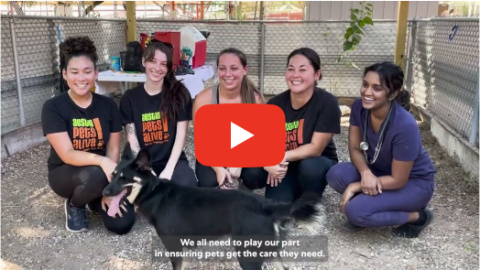
Pets that don’t receive the care they need are at risk of poor health and compromised welfare.
Measuring the scale of pet homelessness is a complex task. To address this challenge, Mars partnered with leading animal welfare experts and organizations to launch the State of Pet Homelessness Project, a global data initiative.
To bring transparency, awareness, and insight to the challenge of pet homelessness, we have set out to build a data set that can offer insights into a range of attitudes and behaviors that impact the issue.
Learn about how we built the Project












Programs around the world
See all
United Kingdom Index Details
Select Country


Estimated homeless cats and dogs
1.1 million

Estimated street or stray cats
970k

Estimated street or stray dogs
67k

Estimated cats and dogs in shelters
42k
7
Index Score
Score Scale:
Number of cats and dogs on the street or in shelters
0
10
0=High
10=Low to nil
6.5
All Pets Wanted:
Stray Populations & Responsible Breeding
6.5
All Pets Cared For:
Pet Adoption & Access To Care
8.1
All Pets Welcome:
Pet Ownership Barriers & Policies
Data Highlights
The UK data shows potential pet owners actively plan and research before owning a dog, which is driving the ‘All Pets Wanted’ score for the country up. In the UK, 56% of respondents report researching what it is like to own a dog before getting one, slightly higher than the global average of 49%.
The Index data for the UK shows a high number of complaints about stray animal activity such as aggressiveness or noise is bringing the ‘All Pets Wanted’ score for the country down. In the UK, nearly 1 in 3 (32%) of pet owners also say they think stray dogs are a danger to their pet.
UK Index data shows 70% of the general population would consider adopting a pet from a shelter or rescue center compared to the global average of 67%. This attitude towards adoption and shelters is helping drive the overall ‘All Pets Cared For’ score up.
The UK data shows 1 in 5 people in the general population feel they would not be able to find their preferred pet in a shelter. This is contributing to bringing the ‘All Pets Cared For’ score for the UK down.
The Index data for the UK shows the country’s existing legislation protecting animals against cruelty and abuse has a positive impact on the ‘All Pets Welcome’ score, driving it up.
UK Index data shows prohibitive rental agreements that don’t allow pets are bringing the ‘All Pets Welcome’ score for the country down. More than 6 in 10 (63%) believe it is difficult to own a dog when you live in an apartment, and 5 in 10 (51%) believe the same is true when you own a cat.
South Africa Index Details
Select Country

Estimated homeless cats and dogs
4.1 million
Estimated street or stray cats
1.7 million
Estimated street or stray dogs
1.7 million
Estimated cats and dogs in shelters
650k
4.0
Index Score
Score Scale:
Number of cats and dogs on the street or in shelters
0
10
0=High
10=Low to nil
3.5
All Pets Wanted:
Stray Populations & Responsible Breeding
3.6
All Pets Cared For:
Pet Adoption & Access To Care
5.0
All Pets Welcome:
Pet Ownership Barriers & Policies
Data Highlights
South Africa data shows above-average sterilization rates, which help with reproduction control of companion animals and is driving the ‘All Pets Wanted’ score up.
South Africa Index data shows poor rabies control. The country suffers from high rates of canine rabies which has not yet been eradicated in the country. In addition, there is no robust national rabies control program. This is bringing the ‘All Pets Wanted’ score for the country down.
South Africa data shows the population has a strong familiarity with shelters and rescue centers and a higher-than-average percentage of the population who would consider adopting from shelters or rescue centers (77% of the general population would consider adopting from a shelter in the future, compared to the global average of 67%). This is driving up the ‘All Pets Cared For’ score in South Africa.
Index data for South Africa shows there is a high perceived cost of veterinary care (49% of the general population list cost as a key reason they do not take their pet to the vet, compared to the global average of 30%). This is bringing down the ‘All Pets Cared For’ score in South Africa.
South Africa data shows a high perceived effectiveness of programs promoting pet adoption and fostering, connecting potential owners to shelters and rescue centers, and raising awareness of the benefits of having a pet which is driving the ‘All Pets Welcome’ score up.
South Africa data shows housing and space concerns are bringing down the country’s ‘All Pets Welcome’ score. 53% of South Africa’s general population agreed it is difficult to find a rental home when you own a dog and 44% say the same when you own a cat.
Mexico Index Details
Select Country

Estimated homeless cats and dogs
7.6 million
Estimated street or stray cats
1.4 million
Estimated street or stray dogs
4.6 million
Estimated cats and dogs in shelters
1.6 million
3.9
Index Score
Score Scale:
Number of cats and dogs on the street or in shelters
0
10
0=High
10=Low to nil
4.2
All Pets Wanted:
Stray Populations & Responsible Breeding
4.1
All Pets Cared For:
Pet Adoption & Access To Care
3.4
All Pets Welcome:
Pet Ownership Barriers & Policies
Data Highlights
Mexico data shows a 97% rabies vaccination rate – higher than the global average of 85% which is driving the ‘All Pets Wanted’ score up.
Index data shows Mexico has a slightly lower sterilization rate of dogs at 57% compared to the global average of 61% which is bringing the ‘All Pets Wanted’ score down.
Index data shows Mexico has a higher-than-average cat and dog ownership rate (72% versus 59% globally). It also shows 62% of people expressed interest in fostering a cat in the future, rising to 77% with an interest in fostering a dog. Both of these are driving the ‘All Pets Cared For’ score for Mexico up.
Data shows that a higher than average proportion of the population in Mexico list limited veterinarians near me or limited access to a veterinarian with good facilities or reputation as reasons for not taking their pet to the vet, bringing the ‘All Pets Cared For’ down.
Mexico data shows lower-than-average perceived cost associated with buying or adopting a pet, which drives the ‘All Pets Welcome’ score up.
Mexico data shows an above-average rate of rehoming of pets which is bringing the ‘All Pets Welcome’ score down.