From Data to Action: What Mexico Teaches Us About Preventing Pet Homelessness

July 27, 2026
From Data to Action: What Mexico Teaches Us About Preventing Pet Homelessness
Senior Vice President, Programs and Policy, Humane World for Animals
Share this story
We often think of pet homelessness as something we see on the streets or in shelters. In reality, homelessness begins long before an animal loses his or her home.
It begins when families cannot access affordable veterinary care. When communities lack preventative services. When unwanted litters outpace available homes. When local veterinary systems are stretched, and pet owners don't have the support they need to keep their animals healthy.
By the time a pet becomes homeless, the system has already begun to fail. That's why addressing pet homelessness requires more than responding to animals in crisis. It requires understanding, and addressing, the conditions that place pets at risk in the first place.
The State of Pet Homelessness Project, led by Mars, provides an important foundation for this work. By combining data with local insights, the project helps identify not only where pet homelessness exists, but why it happens. Those insights allow organizations like Humane World for Animals to design interventions that respond to the realities of each community rather than relying on one-size-fits-all solutions.
Understanding the local drivers
Pet homelessness is rarely driven by a single factor. Instead, it reflects a complex interaction between veterinary access, community infrastructure, economic pressures, animal overpopulation, and human behavior. And one of the most important lessons we've learned is that pet homelessness looks different from one community to the next.
Located in central Mexico, the city of Aguascalientes is home to nearly one million people and an estimated 309,000 owned dogs. Like many rapidly growing communities around the world, it includes urban neighborhoods, rural communities, and families with very different levels of access to veterinary care.
Through support from Mars, Humane World for Animals conducted a comprehensive assessment to better understand the local drivers of pet homelessness. The findings showed that while pet ownership was common and people cared deeply about their animals, access to preventive veterinary care and sterilization remained uneven, particularly in rural and lower-income communities. Many owners wanted to sterilize their pets but faced barriers to accessing affordable services.
Those insights shaped everything that followed.
Building solutions that work together
In Aguascalientes, Humane World for Animals is working with local partners to improve access to veterinary care while strengthening the systems that support pets and the people who care for them. Our work includes community-based veterinary clinics, referrals for spay and neuter services, preventative care, veterinary training in high volume spay/neuter techniques, community engagement, and partnerships with universities and local organizations. Each intervention addresses a different part of the challenge, but together they create a stronger, more sustainable response.
A mobile veterinary clinic, for example, is far more than a place where animals receive treatment. It may also be the first opportunity a family has to speak with a veterinarian, learn about preventative care, receive a referral for sterilization, or connect with services they didn't know existed. At the same time, local veterinary professionals and students gain experience, strengthening the community's long-term capacity to care for animals.
This is the power of a systems approach. Veterinary care, education, capacity building, and community engagement are not separate initiatives, they reinforce one another. Better access to care helps keep pets healthy. Preventative services reduce future welfare challenges. Community engagement builds trust and encourages responsible pet ownership. Local partnerships ensure that progress continues long after a single project ends.
A story of one kitten - and an entire community
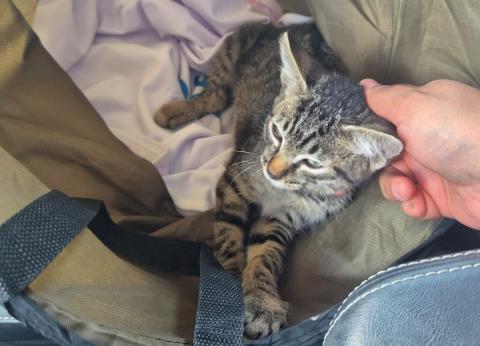
One afternoon in the rural community of Cañada Honda, a community leader heard the cries of a tiny orange-and-white kitten hiding beneath some bushes. Just two months old, he had suffered a severe leg injury and was unable to escape. Knowing Humane World for Animals was conducting a community veterinary outreach clinic nearby, she contacted the team immediately. Humane World Program Manager Bárbara Morales safely rescued the kitten and transported him to a partner veterinary clinic, where he underwent successful surgery. Named Feliciano, he is now recovering in foster care while waiting for a permanent home.
Feliciano's story is about more than one rescued kitten. It illustrates what becomes possible when communities know where to turn, veterinary services are accessible, and local partnerships are strong. A community member recognized an animal in need. A veterinary outreach team was close enough to respond. A local clinic provided specialized care. A foster caregiver helped him heal.
That chain of support is exactly what stronger animal welfare systems are designed to create.
Prevention starts upstream
Prevention is central to reducing pet homelessness, but prevention is not one single intervention. It is the result of multiple efforts working together to strengthen the system around pets and the people who care for them.
With continued support from the Mars Impact Fund, Humane World for Animals is able to work alongside local partners to expand access to essential veterinary services and keep pets healthy, cared for, and with the families who love them. The investment is not in isolated interventions, but in sustainable, community-led solutions that address the root causes of pet homelessness.
Turning data into lasting impact
The State of Pet Homelessness Project gives us something our sector has often lacked: a clearer understanding of why pets become homeless in different communities. But data alone doesn't change outcomes. Rather, it’s its value lies in how we choose to use it.
In Mexico, those insights are being translated into action, expanding access to veterinary care, strengthening local veterinary capacity, supporting responsible pet ownership, and building partnerships that help communities care for their animals over the long term.
Pet homelessness is a complex challenge, but complexity shouldn't discourage us it should guide us. When we understand the local drivers, we can invest in solutions that are tailored to the communities we serve, address root causes rather than symptoms, and create lasting change.
Because the goal isn't simply to help animals after they become homeless.
It is to build communities where fewer pets become homeless in the first place.
[Explore the State of Pet Homelessness Project country reports to learn more about the data and insights helping inform action for pets around the world.]
Dr. Katherine Polak is a veterinarian and Senior Vice President of Global Programs and Policy at Humane World for Animals, where she oversees global programs spanning companion animals, wildlife, farm animal welfare, animal rescue and disaster response, and animal-free science initiatives.
Dr. Katherine Polak explores how State of Pet Homelessness data is helping communities in Mexico, including Aguascalientes, take locally led action, expand veterinary access, strengthen partnerships, and keep more pets with the families who love them.
Preventing Pet Homelessness in Rudrapur

March 5, 2026
Preventing Pet Homelessness in Rudrapur
Global Sustainability Capability Director, Mars Petcare
Share this story
India is home to over 100 million cats and dogs, but a staggering 69% are homeless, living on the streets or in shelters. That’s over 69 million animals without consistent access to care, safety, or companionship.
Earlier this year, I joined the Mars Ambassador Program in Rudrapur, India, where I saw these challenges firsthand and witnessed the incredible work of Humane World for Animals, a key partner in our work at Mars to support vulnerable pets. Their approach to managing street dogs, built on education and collaboration, shows the power of prevention. And it’s not just a local story, it’s a blueprint for communities everywhere.
What struck me was Humane World’s focus on tackling root causes rather than symptoms. By combining spay-neuter programs with public education and local partnerships, they are creating sustainable change that benefits both animals and people. It’s proof that pet homelessness isn’t inevitable and that data-driven, community-led action can make a difference.
Prevention Begins with Birth Control
One unsterilised dog can lead to dozens more in just a few years. Breaking this cycle is critical. In India, only 42% of dogs are sterilised compared to 64% of cats, a gap that drives street dog population growth. Humane World’s Animal Birth Control (ABC) program in Rudrapur has made remarkable progress, sterilising over 5,000 dogs and reaching 70–75% of the local street dog population.
Our State of Pet Homelessness Project data shows that in many parts of the world, uncontrolled breeding is one of the biggest drivers of pet homelessness. But sterilisation alone isn’t enough to tackle this issue - lasting change requires shifting mindsets.
Education and Community Engagement Are Key
The State of Pet Homelessness data revealed that 31% of non-dog owners in India are scared of dogs, and 30% believe they are unhygienic. These perceptions can lead to fear, mistreatment and missed opportunities for coexistence - a challenge echoed in many countries.
Humane World for Animals tackles this head-on through school workshops, community meetings, and volunteer engagement. I joined several sessions and saw children, initially hesitant, begin to open up, ask questions and even show affection toward the dogs.
Teaching compassion and safe behaviour doesn’t just change attitudes, it shapes future generations of pet-friendly citizens.
Volunteers are the heartbeat of this initiative. They help identify unsterilised animals, assist with catching, and support vaccination campaigns. Their involvement has shifted perceptions from “stray” to “community” dogs, encouraging empathy and shared responsibility.
The global takeaway? Whether in Rudrapur or Rio, empowering communities to understand and care for street animals is essential to reducing homelessness and improving welfare. Education builds trust and trust builds change.
Responsible Practices and Partnerships Build Trust
Humane World’s work is built on respect - for animals, people, and the planet. Their protocols for low-stress dog catching, medical care, and digital tracking put welfare and accountability first. Every dog is logged in an app and returned to its original location to maintain social bonds and reduce stress.
At the facility, dogs receive preventive care and treatment for any health issues, while the team stays alert for rabies, isolating suspected cases before they spread. Paired with widespread vaccinations, this vigilance has paid off. Rabies cases have dropped from several a month in 2024 to just two in the last four months of 2025.
Sustainability is part of the plan too. Feeding uses low-impact ingredients like rice and poultry by-products, transport emissions are kept low thanks to a central location, and efforts are underway to reduce anesthetic gases with high greenhouse impact.
None of this happens in isolation. Partnerships with local governments, schools, volunteers and biomedical waste agencies have built trust and enabled long-term success. Community members now bring dogs for sterilisation and vaccination, with 76 bought in in the first nine months of 2025 alone. That growing sense of ownership is more than local progress. It’s proof that when communities are empowered, change becomes scalable.
A Model for a Better Future
The State of Pet Homelessness Project reminds us that while data provides the foundation, it’s people and partnerships that turn insights into action. At Mars Petcare, our Purpose: A Better World for Pets, means tackling systemic challenges like homelessness through compassion and collaboration. The work I saw and was part of in Rudrapur is a reminder of what’s possible when data meets action.
Whether through sterilisation, education, or simply a kind gesture, every action counts. Together, we can reduce pet homelessness and ensure every pet has a safe place to call home.
Fabrice Mathieu, Petcare Sustainability Program Manager and 2025 Mars Ambassador Program volunteer, draws on his firsthand experience working alongside veterinary professionals in India with Humane World for Animals.
Paw Protecc: Supporting homeless pets through practical solutions
November 24, 2025
Paw Protecc: Supporting homeless pets through practical solutions
Director, Corporate Affairs, Mars Petcare India
Share this story
India is home to an estimated 100 million cats and dogs, but nearly 70% of them are homeless. According to our State of Pet Homelessness Project, this includes more than 52 million dogs and 8 million cats living on the streets, and another 8 million dogs and 800,000 cats in shelters. Behind these numbers, India’s homeless dogs and cats face very real daily threats from traffic, disease, malnutrition, and increasingly, extreme weather.
In August 2025, India’s Supreme Court issued and later revised rulings on the management of stray dogs—initially calling for their relocation to shelters, then allowing vaccinated and sterilised dogs to be returned to their communities. The discussions underscored the complexity of balancing public safety, infrastructure capacity, and animal welfare.
The scale of the issue is daunting, but it’s also a crucial call to action. Our State of Pet Homelessness Project, the largest global study of its kind, highlights how pet homelessness is shaped not only by abandonment, but by broader systemic challenges, whether that’s climate change, urbanisation, or gaps in care.
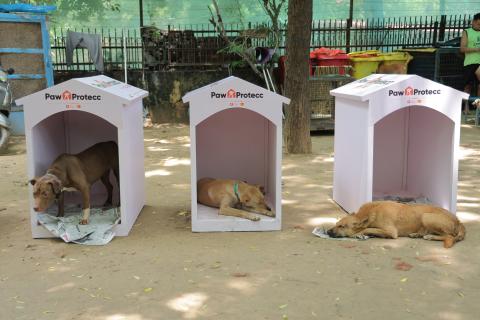
One example of how local action can respond to these global challenges is Paw Protecc, a grassroots initiative launched in India in August 2024. Developed by Mars in partnership with Swiggy Instamart, Paw Protecc began as an emergency response to severe monsoon rains. Today, it has evolved into a year-round program supporting homeless pets across five major cities.
Responding to a real need
The idea for Paw Protecc was sparked by a call to action from the Animal Welfare Board of India, which encouraged companies to create temporary shelters for homeless and community pets during extreme weather. With climate-related events becoming more frequent and intense, cities like Delhi, Mumbai, and Bangalore have experienced unprecedented rainfall, leaving these animals vulnerable and exposed.
Mars responded by collaborating with local startups and infrastructure experts to develop a model for small, mobile shelters designed to withstand diverse weather conditions. Built from readily available materials - durable wood on an iron frame - the shelters are sturdy, relocatable, and suited to urban environments.
This practical solution provides a flexible and scalable model that can be adopted in other regions where climate change is reshaping the risks faced by homeless pets - from heatwaves in southern Europe to flooding in Southeast Asia.
Scaling through partnership
To expand the initiative, Mars partnered with Swiggy Instamart, India’s leading e-commerce platform. The partnership initially saw 150 shelters rolled out across five major cities: Delhi, Mumbai, Bangalore, Chennai, and Hyderabad.
Collaboration was key to the program’s success. Local animal feeders, NGOs, and civic bodies played a fundamental role in identifying shelter locations, securing permissions, monitoring usage, and sharing feedback. Mobile shelters were placed near established feeding points and paired with nutritious meals and clean water to support the overall wellbeing of homeless pets.
Social media also amplified the initiative, with community members sharing photos, videos, and testimonials. This engagement helped to build awareness and encouraged further participation.
While the partnership between Mars and Swiggy helped to scale the initiative, it’s clear that local ownership and trust are essential to sustaining long-term impact. When communities are involved from the outset, the result can be instrumental, building a shared sense of responsibility – a vital ingredient for helping initiatives like this endure beyond their initial rollout.
Evolving to meet year-round needs
What began as a seasonal intervention has evolved into a permanent support system. Paw Protecc has expanded to provide year-round care, adapting to changing needs and growing demand.
The initiative now includes over 1,000 shelters across multiple cities. Its impact hasn’t gone unnoticed. In 2024, Paw Protecc was recognised as one of the most effective community-driven animal welfare initiatives in India, receiving multiple accolades, including the Sabre South Asia Award.
The evolution from emergency response to long-term infrastructure also highlights a broader shift in how we must address pet homelessness globally - moving from reactive to proactive and from short-term fixes to sustainable systems.
A shared responsibility
Paw Protecc shows how locally led initiatives can contribute to global change. Our State of Pet Homelessness Project underscores the need for collaborative, context-specific solutions - and Paw Protecc demonstrates that when communities, companies, and governments work together, we can make a tangible improvement to the lives of homeless and community pets.
From shelter and veterinary care to education and policy, every intervention matters and moves us closer to a future where every pet has a safe place to call home.
India is home to an estimated 100 million cats and dogs, but nearly 70% of them are homeless. According to our State of Pet Homelessness Project, this includes more than 52 million dogs and 8 million cats living on the streets, and another 8 million dogs and 800,000 cats in shelters.
A Victory for Pets and People: Celebrating the Renters' Rights Bill

October 28, 2025
A Victory for Pets and People: Celebrating the Renters’ Rights Bill
General Manager UK, Ireland and Nordics, Mars Pet Nutrition
Share this story
At different points in my life, pets have made my house a home. Whether it was Ted, my Pug cross who was never happier than when it was time for a walk, who introduced me to countless other pet parents in my local park, or our cat, Hope, who never let me forget to take a break from the screen to meet her “real world” demands for attention and Dreamies, I couldn’t begin to imagine the feeling of being forced to choose between keeping a beloved companion or finding and staying in a suitable home.
This choice, however, has been a devastating reality for too many pet owners across England, due to restrictive rental policies. But change is finally underway. Thanks to the long-awaited Renters’ Rights Bill, which has now become law in England, the future looks brighter - one where every pet can have a home, and every home can welcome a pet.
Breaking Down Barriers to Pet Ownership
For far too long, rental restrictions have stood in the way of pet ownership. A recent YouGov survey, commissioned by Mars and Battersea Dogs & Cats Home, revealed that 40% of renters have previously been unable to get a pet due to landlord policies. Even more heartbreaking, nearly 1 in 5 renters who were denied permission to keep a pet were forced to give them up entirely.
The Renters’ Rights Bill changes that. Tenants now have the legal right to request pets in their homes, removing a major obstacle for millions of animal lovers across the country. Now, landlords will only be able to refuse with a good reason, which will be clarified in an accompanying guidance document, soon to be released. This isn’t just a win for renters, it’s a win for the countless cats, dogs, and other animals waiting for a family to call their own.
The Wellbeing Power of Pets
Our wellbeing has become an increasing priority across our daily lives, with 45% of people across 31 countries identifying mental health as a top health concern. As 70% of pet parents surveyed by YouGov cite mental health and wellbeing as key reasons for owning a pet, we know that the emotional support and companionship of animals can be life-changing. But these benefits shouldn’t be reserved for homeowners alone. Everyone, regardless of their housing status, deserves the chance to experience the joy of pet ownership. With this new legislation, we’re one step closer to making that a reality.
Advocating for Pet Owners
Mars, alongside our long-term partners Battersea Dogs & Cats Home, have been advocating for renters’ rights for over three years. In the UK, we’ve made it the focus of our Better Cities for Pets programme - we’ve listened to pet owners, collaborated with experts, and worked closely with parliamentary peers to help shape legislation that reflects the needs of modern families. But with only 8% of renters currently aware of what the changes to the law actually mean for them, our work isn’t done. That’s why we’re committed to raising awareness and ensuring that every tenant understands their new rights when it comes to renting with pets.
Opening Doors to Ownership
The impact of this transformative new law is already being felt. Nearly half (45%) of private renters say they’re now likely to welcome a new or additional pet into their homes, meaning more opportunities to adopt, foster, and give loving homes to animals in need.
At Mars, we want to create a world where every pet has a happy home. To do this, we need to continue to tackle pet homelessness, support responsible ownership, and build a society where pets aren’t just permitted, they’re welcomed.
The Renters’ Rights Bill is a powerful step in this direction. This is a victory for pets, for tenants, and for the belief that companionship matters - pets truly make a house a home.
Nick Foster, General Manager UK, Ireland and Nordics, Mars Pet Nutrition, reflects on the transformative impact of the updated UK Renters’ Rights Bill, a landmark victory helping pets and people stay together.
No Pet Left Behind: Preparing for Climate Emergencies with Compassion and Care
October 3, 2025
No Pet Left Behind: Preparing for Climate Emergencies with Compassion and Care
Global Supply and Technology Staff Officer, Head of Sustainability, Mars Petcare
Share this story
Pets are more than animals—they are cherished members of our families, bringing joy, comfort, and companionship. I’ve seen this through my own family’s experiences. My son recently adopted a rescue dog named Tartine from Reunion Island. Tartine has brought new energy and affection into his life and found a loving home. Similarly, I have adopted three dogs— Gamine, Didi and Tessy —from the Royal Canin pet centre in Aimargues for my mum, each one becoming a steadfast companion and source of comfort.

In my role at Mars, I see first-hand the intersection of sustainability and pet care – this makes me maybe more aware of how climate change impacts not only our planet, but also the wellbeing of pets and the families who love them. These personal connections reinforce the urgency of addressing an often-overlooked issue in climate emergency planning: the safety and welfare of pets.
As climate-induced disasters like wildfires, floods, and hurricanes become more frequent and severe, pets face increasing risks of displacement and homelessness. Yet, emergency response plans frequently exclude provisions for pets, leaving families with heartbreaking choices between their own safety and staying with their animals.
This blog explores the urgent need for inclusive, proactive planning to protect pets and their families during climate crises, ensuring that no pet is left behind when disaster strikes.
Pets are Overlooked Victims of Climate Disasters
A difficult reality of the climate crisis is that pets are often excluded from emergency planning and responses. While evacuation plans, emergency shelters, and disaster relief protocols are designed to keep humans safe, there is often little or no provision for pets, as many shelters and temporary housing options do not accept animals in times of emergency. In just one case study - the Hawaii wildfires of 2023 - the Maui Humane Society estimated around 3,000 animals from Lahaina remained missing in the aftermath. Without decisive action, the number of pets impacted by climate-related emergencies will only increase.
The absence of accessible veterinary care during and after disasters can also lead to untreated injuries and disease outbreaks among animals, resulting in long-term health challenges for our pets and our communities.
Proactive Steps to Keep Pets and Families Together
To keep our pets in loving homes, there are several practical steps we can take - both as individual pet owners and as proactive, caring communities. Microchipping is a simple yet powerful tool, greatly increasing the chances of reunification if pets become lost during an emergency. Keeping microchip information up to date is equally vital.
Developing pet-inclusive evacuation plans—with designated carers, supplies, transport, and safe shelter options—can prevent pets from being separated during crises. Local governments and emergency services play a crucial role by integrating animal welfare into broader disaster response strategies and public awareness campaigns, ensuring no pet is forgotten when it matters most.
The Role of Veterinary Care and Shelter Access
Veterinary and shelter services are essential partners in preventing pet homelessness during emergencies. Providing pet-friendly housing and emergency veterinary care enables a coordinated response, helping families stay together with their pets when they need it most.
At Mars, we are committed to bridging gaps in care and supporting communities worldwide. For example, Royal Canin North America donated more than a million pet meals to support disaster relief efforts, feeding 115,000 pets in need across impacted communities. In India, our Pet Nutrition team partnered with Swiggy Instamart to launch Paw Protecc, an initiative dedicated to safeguarding pets during adverse weather conditions. Nearly 150 shelters were placed across Delhi, Mumbai, and Bangalore, offering secure havens for strays facing the elements.
Building Resilient Communities for People and Pets
Preparing for climate emergencies is about more than reacting when disaster strikes—it’s about building resilient systems that protect people and pets before, during, and after a crisis. By embedding pet welfare into emergency plans, fostering cross-sector partnerships, and ensuring veterinary care, shelter, and food are part of the response from day one, we can help communities recover faster and more completely.
Together, by planning inclusively and acting with compassion, we can ensure that no pet—and no family—is left behind when the unexpected happens.
Alessandro Bussi, Global Supply and Technology Staff Officer and Head of Sustainability at Mars Petcare, spotlights the urgent need for climate emergency plans that protect pets and families—an increasingly vital issue as climate risks intensify.
The Front Line of Prevention: How Veterinary Professionals Can Help Keep People and Pets Together
August 20, 2025
The Front Line of Prevention: How Veterinary Professionals Can Help Keep People and Pets Together
Global Chief Medical Officer, Mars Veterinary Health
Share this story
Tackling pet homelessness starts long before a pet enters a shelter. Often, it begins with small, everyday moments—such as when a veterinary nurse notices a subtle change in a pet’s health, or when an owner seems anxious about their pet’s behavior. By spotting these signs early and offering the right support, many situations can be resolved before they escalate.
International Homeless Animals Day is the perfect time to reflect on the bigger picture: the millions of animals without homes around the world and the important role veterinary teams can play in pet homelessness prevention. As part of the Mars Petcare family, our Purpose: A Better World for Pets, includes addressing the issues that can separate pets from the families who love them.
Our State of Pet Homelessness Project, the largest global study of its kind, revealed 1 in 3 pets worldwide currently has no home. Behind each number is an often distressing story with real people and real pets, and we all have a role to play in changing that statistic.
Veterinary Teams as Early Responders: Detecting the Warning Signs
Veterinary professionals are uniquely positioned to spot early signs of concern. Preventive care plans from Banfield and VCA, and Banfield’s upcoming budget-friendly Access Plan, offer flexible support across a spectrum of care. When appointments are missed or health issues go untreated, it may signal deeper challenges at home, from lifestyle pressures, housing instability, or difficulty managing a pet’s behavior.
At Mars Veterinary Health, delivering high-quality medicine is what guides us, and we recognize how pet and human wellbeing are interlinked. When an owner is struggling, their pet often feels the impact too. Understanding this broader context ensures meaningful solutions are given, and by stepping in early, veterinary professionals can help prevent the situation from escalating by offering behavioral modification support or other resources. Sometimes, this type of timely support can be the difference between a pet staying with their family or ending up in a shelter.
In my own experience as a practicing veterinarian, and even in my role today overseeing how quality medicine is delivered across our connected global network of 3,000+ veterinary clinics, I see how behavioural issues can push families to the brink of surrendering their pets. Milo, a young terrier with severe separation anxiety, was one such case. His constant howling and destructive behaviour left his owners overwhelmed and facing complaints from neighbours. Though they loved him, they felt they couldn’t cope any longer.
His veterinarian learned about these issues as part of her chat with the owner during a routine consultation and referred them to a qualified behaviorist. With tailored training, consistency and support, Milo’s behaviour improved dramatically within a few months, and the family was able to find a positive path forward.
How We Can Use Preventative Tools Like Empathetic, Inclusive Care?
Veterinary care isn’t always just about diagnosis and treatment. Sometimes, what pet owners need most is simply someone who listens. In moments of uncertainty or stress, a compassionate conversation with a trusted veterinary professional can lighten the emotional load and provide much-needed support. At Mars Veterinary Health, we work to support our veterinary team members, so they can support and partner with our clients.
Our recent research collaboration with Michigan State University examined what “access to veterinary care” truly means for pet owners. We identified five key factors that influence whether someone seeks or receives care for their pet. These include practical challenges such as cost, clinic hours, and transportation, as well as personal aspects like feeling welcomed and respected in the care environment. Understanding these barriers gives veterinary teams a clearer picture of the obstacles owners face when seeking help.
By recognising these challenges, veterinary teams can offer more empathetic and inclusive care. Small actions, like providing flexible appointment options, sharing community resources, or simply checking in with clients, can make a meaningful difference. When veterinary care is delivered with compassion and tailored to individual needs, it strengthens the human-animal bond and helps reduce the risk of that bond breaking down in the future.
The Power of Community Partnerships and Proactive Support
Veterinary professionals play a vital role in preventing pet homelessness, but they can’t do it alone. By partnering with shelters, nonprofits, and local organizations, we can reach pets and owners who might otherwise go without care, including low-income families, unhoused individuals, and under-resourced communities.
We invest in community partnerships to extend the reach of veterinary care. For example, Mars Veterinary Health funded Shelters United’s Veterinarian of Record Training Program, which helps veterinarians and animal welfare organizations establish and maintain successful partnerships. This training bridges gaps, increasing access to care for shelter pets, improving relationships between veterinarians and animal rescues, and making it easier for veterinarians to give back to their local communities through shelter work.
Mars Veterinary Health, our Associates, and our charitable arms—Banfield Foundation, BluePearl Cares, and VCA Charities—also give back to the communities in which we live and work. Each year, hundreds of free and low-cost veterinary clinics—including thousands of hours from Associates and nonprofit partners—support pets in need across inner cities, rural communities, Native American reservations, and veterinary deserts. Collectively, our charitable arms have granted more than $31.5 million to date to help ensure vulnerable pets receive access to critical care, food, and resources.
A Shared Responsibility
The work to tackle the issues behind pet homelessness is a collective effort—and one that can and should include the veterinary team. By fostering early detection, empathetic communication, and community collaboration, veterinary professionals can play an important role in ending pet homelessness.
As we reflect on International Homeless Animals Day, let us—as a profession and as pet lovers—commit to being even more vigilant advocates for those that cannot speak for themselves. Our actions can help ensure every pet has the chance to live a healthy and happy life, with a family that loves them.
Dr. Molly McAllister, DVM, MPH, Global Chief Medical Officer at Mars Veterinary Health, shares expert insights on how veterinary professionals can play a vital role in preventing pet homelessness.
Standing Together for a Healthier Future for Cats and Dogs
April 17, 2025
Standing Together for a Healthier Future for Cats and Dogs
Global President of Royal Canin
Share this story
At Royal Canin, our mission is clear: A Better World for Pets.
Pets bring immense love and joy into our lives—they calm us and provide great companionship. Just like us, they need proper care to remain happy and healthy. Unfortunately, an increasing number of pets are facing health challenges due to unethical pet production and extreme conformation. This has led to more pets being made homeless as overwhelmed pet owners struggle to cope due to the financial or emotional burden of health issues.
The Growing Concern of Pet Homelessness
Last year, Mars released the largest ever global study into pet homelessness, the State of Pet Homelessness Project, which revealed that 1 in 3 pets worldwide are homeless—a heartbreaking statistic.
One of the contributing factors to many of these cases is unethical pet production practices, where many pets are sold while still underaged, unhealthy, and without proper socialization. These conditions can result in a range of health and behavioral issues.
Additionally, the rise of extreme conformation, which involves exaggerating certain physical traits in specific breeds, can severely impact the welfare of pets. This practice frequently leads to severe health problems, ranging from respiratory issues to joint pain and genetic disorders, often leading to pets being abandoned and left without loving homes.
Introducing CHOOSE HEALTH: Putting Pets First
The State of Pet Homelessness Project identified three key action areas: preventing unwanted pets, ensuring sustained care, and keeping pets in homes. Through our CHOOSE HEALTH initiative at Royal Canin, we focus on preventing unwanted pets by addressing these critical issues. Our collaborative program of activities works to combat unethical pet production practices and prioritize the health of pets, ensuring they receive the care they deserve.
At Royal Canin, we are committed to safeguarding breeds by promoting healthy standards and protecting their uniqueness. We are passionate about professionalizing breeding, supporting breeders through education, and genetic testing to encourage responsible breeding protocols.
In turn, we help ensure that future pet parents are well informed about their pet’s health needs and the lifelong commitment that comes with ownership. By providing trustworthy resources through videos, articles and brochures, we promote responsible pet ownership which helps to keep pets in happy homes.
A Collective Effort for a Better World
Tackling unethical pet production and extreme conformation is complex and cannot be accomplished alone. A collective response is needed to prevent unwanted pets and keep our furry friends with loving families.
At Royal Canin, we believe that by working together and engaging the entire pet eco system, from veterinarians, to breeders, to pet owners, as well as governments, NGOs, and industry bodies, we can create a Better World for Pets. Through the CHOOSE HEALTH initiative, we are committed to driving meaningful change and ending pet homelessness.
To find out more about CHOOSE HEALTH, watch this video.
You can also learn more about the world’s largest study into pet homelessness on State of Pet Homelessness Project website.
Cécile Coutens, Global President of Royal Canin, shares how unethical pet production and extreme conformation are contributing to pet homelessness—and how the CHOOSE HEALTH initiative is tackling these issues.
Tools
Get involved
Fur-Ever Homes Series: Expert Insights on Tackling Pet Homelessness (Debra Fair)
September 10, 2024
Fur-Ever Homes Series: Expert Insights on Tackling Pet Homelessness (Debra Fair)
Executive Director at Pedigree Foundation and advisor to the State of Pet Homelessness Project
Share this story
In the final interview in our ‘Fur-Ever Home’ series we sat down with Debra Fair, Executive Director at Pedigree Foundation, to hear more about how we can ensure sustained care for our pets. Debra leads strategy in development, donor recruitment, shelter and rescue relationships and fundraising for Pedigree Foundation, which is dedicated to driving adoptions and helping dogs in need find their ‘forever homes’.
Debra has three Cavalier King Charles Spaniels from breeder rescue centres named Lily James, Chloe Stella McCartney and Tug McGraw.
How does the Pedigree Foundation collaborate with Mars and other organizations to address the issue of pet homelessness?
Pedigree Foundation believes in community connections as the key to solving the issue of pet homelessness – bringing together animal welfare organizations, shelters, and rescues across the US and Canada through our grant support and collaborative partnerships. With our foundation’s passionate guiding belief that every dog deserves a loving home, we were keen to partner with Mars to leverage these relationships and our expertise to help drive solutions to the issue. No organization can solve it by themselves. Collaboration is the key!
As ensuring sustained care was one of three key themes emerging from the Project’s data, what is the first step for potential pet owners to make sure their pets will get continuously the right care?
It all starts long before deciding to become a pet owner! Ensuring sustained care means thinking about the past, the present, and the future. For potential pet owners, the first step without a doubt is to conduct a readiness assessment – asking yourself what is your current life situation and does a pet fit in with your lifestyle and plans for the future?
Things to take into consideration include financial readiness to cover the costs of veterinary care, supplies, food, and any unexpected medical issues, but also whether your lifestyle is compatible with the needs of the pet (and which pet). This includes factors like your family situation, travel schedule, exercise habits, and whether you live in an apartment or house with a garden. Involve your entire household in the decision-making process to ensure everyone is committed to the responsibility of pet ownership.
It’s also important to consider your pet’s needs as well as your own. For example, consider the age and life stage of the pet you are looking to add to your family - puppies require a significant time commitment, while an older dog may already be trained. Similarly, you can research specific breed characteristics and personality of an animal to ensure they align with your preferences and ability to care for the pet long-term. The right match is one of the key foundations for both, an owner and a pet, to have a great, happy and satisfying relationship for years.
WHISKAS’ recent research shows a rise in searches for low-maintenance, quiet dogs that don’t need training or walks. Their ad, “The Meowzer,” humorously suggests that the perfect dog might be… a cat! The key message: choose a pet that fits your lifestyle, your expectations of what you can get from a pet and what you can give to it, and future plans!
Finally, before getting a pet, establish a network of trusted friends, family, or pet sitters who can help care for the pet if you need to travel or are away from home.
That last point is interesting – aside from pet owners, who else has a responsibility when it comes to ensuring pets receive sustained care?
Honestly, everyone has a role to play! But if I had to break it down, I’d say shelters and rescue organizations, volunteers and community members, and pet companies all share this responsibility. Shelters and rescue organizations need to make sure their adoption processes are more accessible and welcoming. They can use volunteers and community connections to share adoption success stories and run innovative programs like Dogs Day Out programs which lets potential adopters experience pet ownership firsthand. It’s part of the reason we developed the “Build Your Dog Adoption Super Highway” toolkit, to help shelters and rescues identify and address the systemic barriers to successful pet adoptions, with the goal of increasing adoption rates and reducing pet homelessness.
Community members who have fostered pets can become advocates, sharing their positive experiences. Fostering allows potential adopters to assess their readiness and ability to care for a pet, without the full commitment of adoption right away.
In the end, it’s all about collaboration. Everyone – from shelters to volunteers to pet companies, legislators, and regulators – needs to work together, using their unique strengths to support pet adoption and prevent homelessness. We know that pets help people improve their physical health and with loneliness - it’s a big reason why people seek them out. Pet ownership is a way that people can connect with their broader community. Owning a pet, especially a dog, can lead to interactions and relationships with other pet owners in the local area - like dog parks, breed-specific meetups, and other community-based pet activities. Pets can serve a dual role - providing companionship and alleviating loneliness for the individual owner, while also facilitating connections and a sense of community among pet owners. That symbiotic relationship fills me with optimism in the fight against pet homelessness.
The State of Pet Homelessness Project data found that while on the one hand, the majority of people who adopted their pet from a shelter would recommend doing so, less than 60% of potential pet owners consider adoption from a shelter. How do we convert the experience of adoption into a recommendation and scale it?
It’s about shelters establishing connections with their local community of volunteers, fosterers and adopters who are willing to help amplify and tell the benefits of their adoption story. Social media and marketing also have a big role to play – we have volunteers in shelters and rescue homes that are great at photography or writing and we need to harness and leverage these skill sets.
We’re very excited about The Pedigree “Adoptable” campaign, which we believe can absolutely transform our efforts of finding a loving home for all dogs. “Adoptable” is a first-of-its-kind initiative that combines AI technology with Pedigree’s global ad reach to put real, adoptable shelter dogs at the center of global advertising and turn every Pedigree ad into an ad for a shelter dog.
The “Adoptable” launch saw a significant uplift in adoption rates. Within the first two weeks, 50% of shelter dogs featured had been adopted, with traffic to shelter site profiles increasing 6 times. Potential pet parents were 12% more likely to adopt when the adopter comes into the shelter site via an Adoptable asset.
Where can people go to for further advice?
You can start with Pedigreefoundation.org, which is full of advice and resources for existing dog owners and those considering fostering, adopting, or looking after one. For local resources, Pedigree brand market-specific sites are also very useful for credible information that is tailored to the country you live in. I also encourage people to find their local rescue shelter or adoption center and build a relationship with them – the better they know you, the more tailored advice they will be able to give! I really advocate for people doing their own research, and talking to friends, neighbors, colleagues, and family – especially when you’re thinking about what type of pet might suit your lifestyle.
Debra Fair, Executive Director of Pedigree Foundation and advisor to the State of Pet Homelessness project, shares her insight and advice on ensuring sustained care for dogs.
Fur-Ever Homes Series: Expert Insights on Tackling Pet Homelessness (Marc Ralsky)
September 3, 2024
Fur-Ever Homes Series: Expert Insights on Tackling Pet Homelessness (Marc Ralsky)
Chief Executive Officer at The International Partnership for Dogs and advisor to the State of Pet Homelessness Project
Share this story
In the third interview of our ’Fur-Ever Home’ series looking at how we can take action to prevent pet homelessness, we spoke with Marc Ralsky, Chief Executive Officer at The International Partnership for Dogs (IPFD) to hear more about how we can keep dogs in happy homes.
Marc has a long history working with animal-focused NGOs; he was a director at Ontario Society for the Prevention of Cruelty to Animals (SPCA) for nearly six years, before joining IPFD in 2022. Marc and his wife have bred and owned dogs, especially Siberian Huskies and Samoyeds, for 30 years. They currently look after two retired show dogs, Awesome (the all-time winning female Siberian Husky in the USA) and Striker a Samoyed who is a two time Working Group Winner at the iconic Westminster Kennel Club dog show in NYC (he was recently the answer to a question on US gameshow, Jeopardy!)
How does the International Partnership for Dogs work to address pet homelessness?
MR: The IPFD strives to enhance dog health, well-being, and welfare, which includes combatting pet homelessness. We speak to dog owners, kennel clubs, and veterinary organisations across the world, as we believe that communication on a global scale is key to making sure dogs remain in happy, loving homes throughout their lives. That’s why we got involved in Mars’ State of Pet Homelessness Project, as it calls on this level of collaboration across industry and geographies. The information from the report is unique, unbiased, and globally relatable.
One of the key insights that came out of the State of Pet Homelessness Project was that 16% of survey respondents would consider rehoming their dog in the next 12 months. What can be done to bring this number down and ensure that pets are kept in loving homes?
MR: It’s a sad reality that pets can often be rehomed because people didn’t have all the information they needed before taking them on – it’s a big responsibility! Particularly post-COVID, which saw a ‘puppy boom’, owners have come out the other side of the pandemic realising that having a dog isn’t as easy as they originally thought, which is why it is so important for people to research the realities of pet ownership as much as possible before they commit.
I think the most important elements to tackling pet homelessness is ensuring access to the right information and an understanding that a dog is a long-term and significant lifestyle commitment. Far too often, people want instant gratification from their new pets, and unfortunately this isn’t always the reality. Dogs need socialisation, training, stimulation, exercise – and prospective owners need to be aware of this.
We do a lot of work around this education point, helping people engage with the correct content and advice when deciding about potential pet ownership. We recommend a variety of learning materials, like webinars and breeding strategies. There are also some great resources from brands like Royal Canin, who offer Puppy Checklists to empower new owners through information and set them up for success!
How important is considering temperament when choosing a dog and how can the surrendering of dogs because of their behaviour be avoided?
MR: Temperament can be a big factor in people giving up their pets, and this is no doubt a hard decision for owners. A dog is part of the family, so giving them away because you haven’t gelled is a sad situation, but hopefully one that can be avoided with education.
This isn’t just about owners and shelters. Breeders are also a part of the system. A lot of our work at IPFD is focused on information sharing to facilitate responsible, well-informed breeding, which results in puppies with good temperament. On our website, DogWellNet.com, we have a Health Strategies Database for Dogs – a free, searchable resource that includes breed specific health and mentality testing requirements. Equipping breeders with this kind of information encourages responsible breeding and more well-tempered pets. A happy pup in a happy home is always the goal!
Thinking about the bigger picture, how can wider policies help to support pet owners?
MR: Dogs are absolutely part of our wider community – we’re social beings, and the human-canine connection can’t be underestimated! There’s a social aspect that is key to dog retention in homes. More and more, we’re seeing a bigger conversation about pet friendly cities. This can be as small as water dishes at restaurants and park accessibility to the larger advocacy topics like pet-friendly regulations around accommodation. It’s a win-win situation as often our wants and needs for dogs, like green spaces and walking, are also great for humans!
That’s something I want everyone, pet owners or not, to be more conscious of, that our communities are home to pets as well as people. Everyone who has a pet sees them as part of a family, the logical next step of that is to start seeing them as part of a community. I’m excited for a future where the value of pets is felt and understood by all – beyond the four walls within which they might live.
Marc Ralsky, Chief Executive Officer at The International Partnership for Dogs and advisor to the State of Pet Homelessness Project, shares his insights and advice on keeping dogs in happy homes.